As we enter Cyber Security Awareness Month, the theme “Secure Our World” reminds us of the importance of protecting our digital spaces together. In 2024, cyber threats are becoming increasingly sophisticated, making it essential for businesses to stay informed. This post will explore three key threats to be aware of this year: deepfakes, social engineering, and malware, along with how they can impact your organisation.
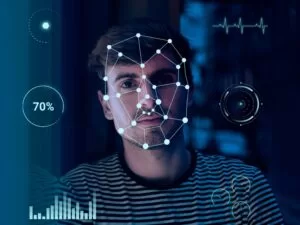
Deepfake Technology
(Credits to CyberNews)
What Is It?
Deepfake technology uses artificial intelligence (AI) to create hyper-realistic videos and audio recordings that impersonate real people. Cybercriminals exploit this tech to fabricate content, like a video of your CEO issuing a fake financial directive.
How Does It Work?
The technology manipulates existing media, allowing attackers to produce counterfeit representations. For example, a deepfake might show a company leader instructing someone to wire money, which can lead to fraudulent transactions.
Why Does It Matter?
• Fraud: Employees may be misled into executing transactions based on fake directives.
• Misinformation: False representations can damage a company’s reputation and erode trust among clients and partners.
Did you know? Over 70% of businesses report facing deepfake-related incidents, with this trend escalating rapidly.
Social Engineering
(Credits to CNN)
What Is It?
Social engineering tricks people into revealing confidential information. Instead of exploiting technical vulnerabilities, attackers target human psychology.
How Does It Work?
Cybercriminals craft convincing emails that appear to come from trusted sources, creating urgency that prompts recipients to click on malicious links or provide sensitive data. For example, a phishing email might seem to come from your IT department, urging an employee to reset their password.
Why Does It Matter?
• Data Breaches: Falling for these scams can lead to significant data breaches, exposing sensitive company information.
• Operational Disruption: Businesses may experience chaos while addressing compromised information.
Did you know? Social engineering attacks have surged by 60% this past year, with one in four businesses falling victim to phishing schemes.
Malware
(Credits to Kaspersky)
What Is It?
Malware, or malicious software, refers to various software designed to disrupt, damage, or gain unauthorized access to computer systems.
How Does It Work?
Cybercriminals distribute malware through deceptive downloads, infected email attachments, or compromised websites. Ransomware, a common type of malware, encrypts files and demands payment for their release.
Why Does It Matter?
• Financial Loss: Malware can lead to costly downtime, data loss, and expensive recovery efforts.
• Reputational Damage: A malware attack can erode customer trust and impact business relationships.
Did you know? Malware attacks have increased by 35%, with ransomware affecting nearly 80% of companies in 2023.
As we celebrate Cyber Security Awareness Month this October, it’s vital for businesses to address these and other cyber threats. These risks are not just IT concerns; they can significantly impact your entire operation. By investing in employee training and robust cybersecurity measures, you can boost your business’s resilience against evolving threats.